Non-CPAP Treatment Options for Sleep Apnea: What Are Your Alternatives?
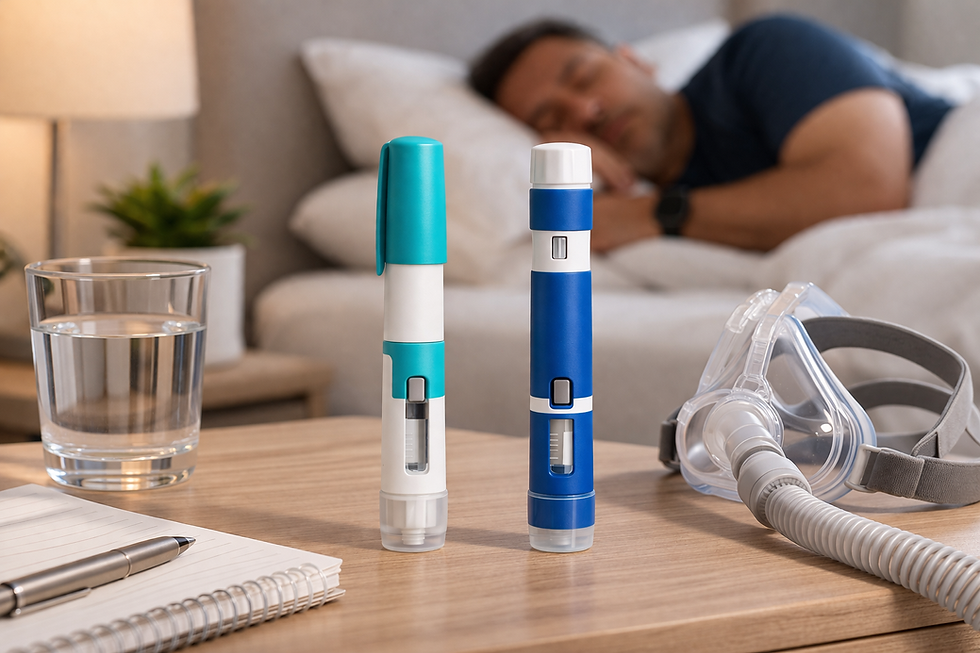
Continuous Positive Airway Pressure (CPAP) therapy is the most effective treatment for obstructive sleep apnea (OSA). However, some patients may find it uncomfortable or difficult to use.
The good news is that there are several non-CPAP treatment options that can help manage sleep apnea, especially in mild to moderate cases.
Why Look for Alternatives to CPAP?
Some patients:
Feel uncomfortable using the mask
Have difficulty adjusting to the machine
Prefer simpler devices
Cost issues
In such cases, alternative treatments can be considered.
1. Weight Loss: Effective Natural Treatment
Excess weight is one of the most common causes of sleep apnea.
Losing even 5–10% of body weight can significantly improve symptoms.
Reduces airway obstruction
Improves breathing during sleep
Enhances overall health
2. Medical Weight Loss: A Modern Approach
In addition to lifestyle changes, medical weight loss therapies are now available and can be highly effective.
Options include:
Semaglutide
Tirzepatide
These medications help by:
Reducing appetite
Promoting sustained weight loss
Improving metabolic health
Significant weight reduction can lead to:
Reduced the severity of sleep apnea
Improvement in snoring and breathing
Better overall outcomes
Important:
These medications should be:
Prescribed after proper evaluation
Used under medical supervision
Combined with lifestyle modification
3. Positional Therapy
Sleep apnea can worsen when sleeping on the back.
Positional therapy includes:
Sleeping on your side
Using positional devices
Best suited for positional sleep apnea.
4. Oral Appliances (Dental Devices)
A commonly used option is the Mandibular Advancement Device (MAD).
Worn during sleep
Moves the lower jaw forward
Keeps the airway open
Best for:
Mild to moderate OSA
CPAP intolerance
5. Improving Sleep Habits
Good sleep hygiene can reduce symptoms:
Maintain a fixed sleep schedule
Avoid alcohol before bedtime
Avoid sedatives
Limit screen exposure
6. Treating Nasal Obstruction
Blocked nasal passages can worsen breathing during sleep.
Treatment includes:
Nasal sprays
Allergy management
Surgical correction (if required)
7. Exercise and Airway Muscle Training
Regular exercise and targeted throat/tongue exercises can:
Strengthen airway muscles
Reduce airway collapse
8. Surgical Options
In selected patients, surgery may be considered:
Uvulopalatopharyngoplasty (UPPP)
Maxillomandibular advancement
Other airway surgeries
Usually reserved for cases where other treatments fail.
Combining Treatments for Better Results
In many cases, a combination approach works best:
Weight loss + CPAP
Weight loss + oral appliance
Positional therapy + lifestyle changes
Treatment should always be individualised based on patient factors.
Important Note: Choosing the Right Treatment Matters
While several alternatives to CPAP are available, they are not suitable for everyone. The effectiveness of each option depends on factors such as:
Severity of sleep apnea
Body weight
Airway anatomy
Associated conditions like diabetes or hypertension
A proper evaluation by a sleep specialist is essential to determine the most appropriate treatment.
Certain clinical factors and sleep study findings can help predict which therapy will work best for you.
Why This is Especially Important
Patients with conditions like:
Obesity
Diabetes
Dyslipidemia
may benefit from a more integrated and personalised approach, combining weight management, sleep therapy, and medical treatment.
Take Control of Your Sleep
Sleep apnea is a treatable condition. Even if CPAP is not suitable for you, several alternative options can help improve your sleep and overall health.
Choosing the right treatment—guided by expert evaluation—can make a significant difference.


Comments