Do You Need a Sleep Test? 5 Warning Signs You Should Not Ignore

Many people suffer from poor sleep but often ignore the symptoms, assuming it is due to stress or lifestyle. However, certain warning signs may indicate an underlying sleep disorder that requires evaluation with a sleep test (polysomnography).
Recognising these signs early can help prevent serious health problems.
What is a Sleep Test?
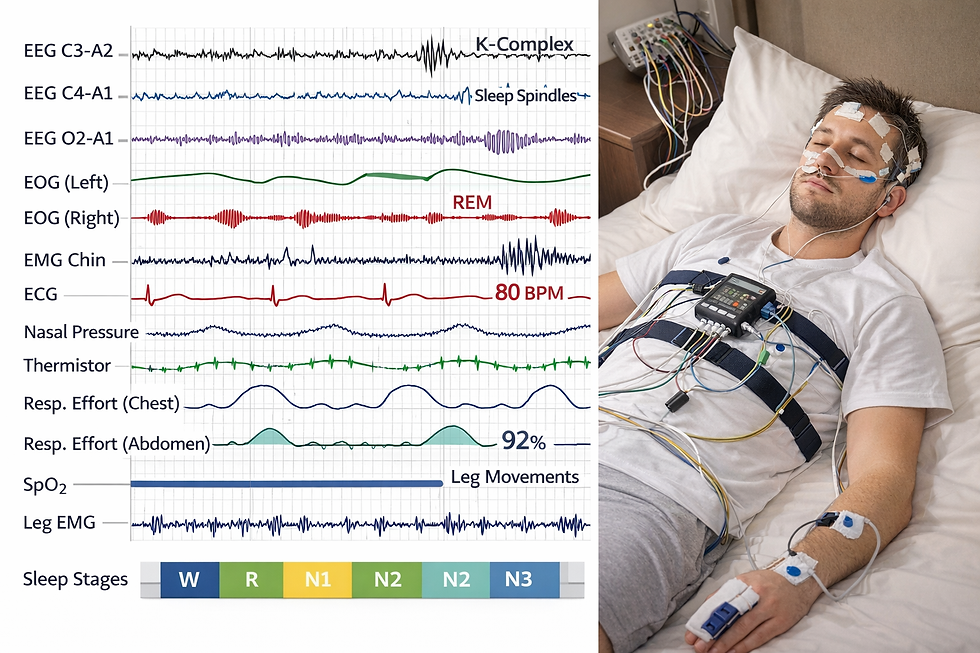
A sleep test (polysomnography) is an overnight study that monitors your breathing, oxygen levels, heart rate, and sleep pattern. It helps diagnose conditions like sleep apnea, which often goes unnoticed.
5 Warning Signs You May Need a Sleep Test
1. Loud, Persistent Snoring
If your snoring is loud enough to disturb others or occurs regularly, it may indicate airway obstruction during sleep.
2. Pauses in Breathing During Sleep
If your partner notices that you stop breathing or gasp during sleep, this is a strong sign of sleep apnea.
3. Excessive Daytime Sleepiness
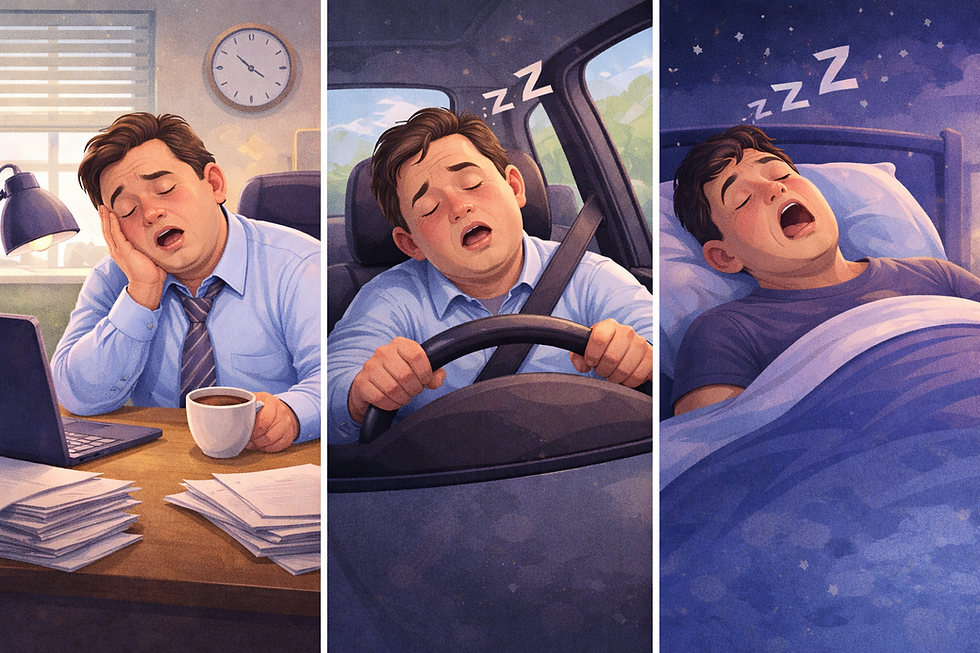
Feeling sleepy during the day—even after adequate sleep—can indicate poor sleep quality at night.
4. Morning Headaches or Dry Mouth
Waking up with headaches or dryness of mouth may be due to reduced oxygen levels during sleep.
5. Difficulty Concentrating or Memory Issues
Poor sleep can affect brain function, leading to reduced focus, irritability, and memory problems.
Who is at Higher Risk?
You may have a higher chance of sleep disorders if you:
Are overweight
Have high blood pressure
Smoke or consume alcohol regularly
Have a family history of sleep apnea
Why Should You Not Ignore These Symptoms?
Untreated sleep disorders can increase the risk of:
Hypertension
Heart disease
Stroke
Diabetes
Daytime fatigue and accidents
What Should You Do Next?
If you have any of these symptoms, a sleep evaluation can help identify the cause and guide treatment.
A sleep test is simple, painless, and can provide valuable insights into your sleep health.
Take the First Step Toward Better Sleep
Ignoring sleep problems can affect your health and quality of life. Early diagnosis and treatment can make a significant difference.
If you suspect a sleep disorder, seeking timely medical advice is the right step toward better sleep and better health.

Comments